





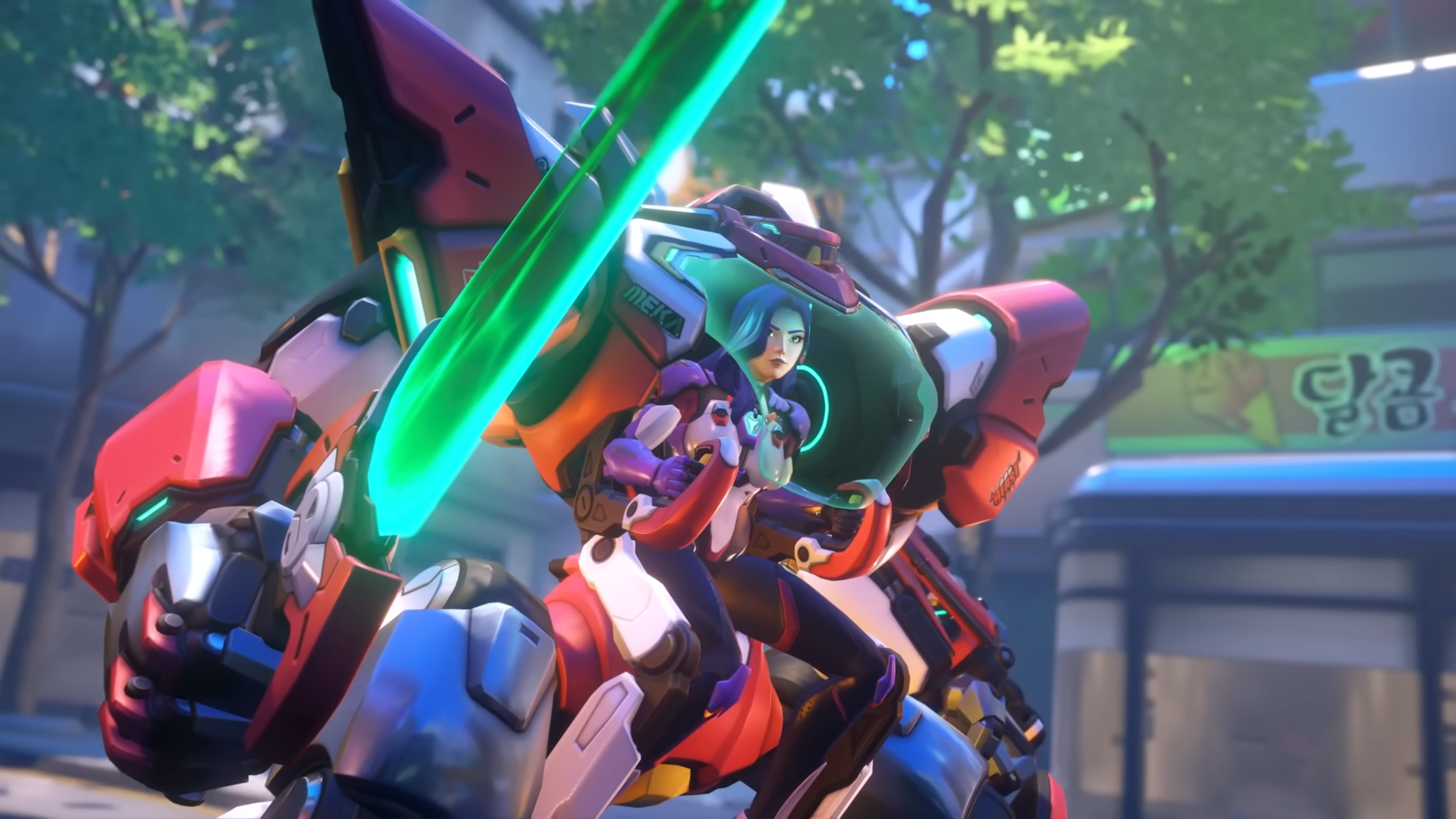
Blizzard has rebuilt the Overwatch battle pass for Season 4, breaking its linear reward track into shorter segments players can tackle in any order and adding a system that makes expired passes permanently available. Polygon reports the changes landed with the season, which launched alongside new tank hero D.Mon.
The pass keeps its 80 tiers, but they are now split into shorter "tracks" of eight to 10 tiers each, and those tracks can be completed in whatever order a player chooses. Each one ends in a Legendary or Epic skin. Chris McCabe, the game's product director, said the pass has the same number of tiers as before and takes roughly the same amount of time to finish, with the difference being how much control players have over which rewards they collect first.
Premium pass owners also get a feature called the Tier Hack, which swaps one Legendary skin in the pass for a different legacy skin drawn from a curated pool. It can be used once per battle pass.
The larger change arrives partway through the season. In September, Blizzard will switch on the Legacy Battle Pass Unvault system, giving players a second chance at rewards from selected expired battle passes. Once a player buys an unvaulted pass, or if they already own an eligible one, it stays permanently available and can be progressed alongside the current season rather than expiring again.
Unvaulted Passes do not include the original premium currency, Mythic Prisms, Prestige Titles, or Mythic Hero and Weapon Skins.
Player reaction has been positive, with Reddit posts singling out the chance to finally claim cosmetics missed years ago and crediting competitive pressure for the shift. One commenter thanked Marvel Rivals, which lets players keep battle passes they have paid for, a model the Unvault system now partly mirrors.
The rework caps an unusually busy stretch for the shooter, which has added eight new heroes in recent months. Blizzard was described in a leaked internal email as the top-performing studio at Xbox, in large part because Overwatch delivered its strongest quarter since 2022.