




Capcom would like Resident Evil to be an annual series, and the publisher sees remakes of older entries as the mechanism that makes that schedule possible. Producer Masachika Kawata set out the approach in an interview with Game Informer, reported by PC Gamer.
Kawata was direct about the limits of the alternative. Producing a wholly new mainline entry every year would, in his words, be a difficult undertaking. Remakes close that gap: they keep a Resident Evil release in most years without asking the team to originate a new game from scratch each time.
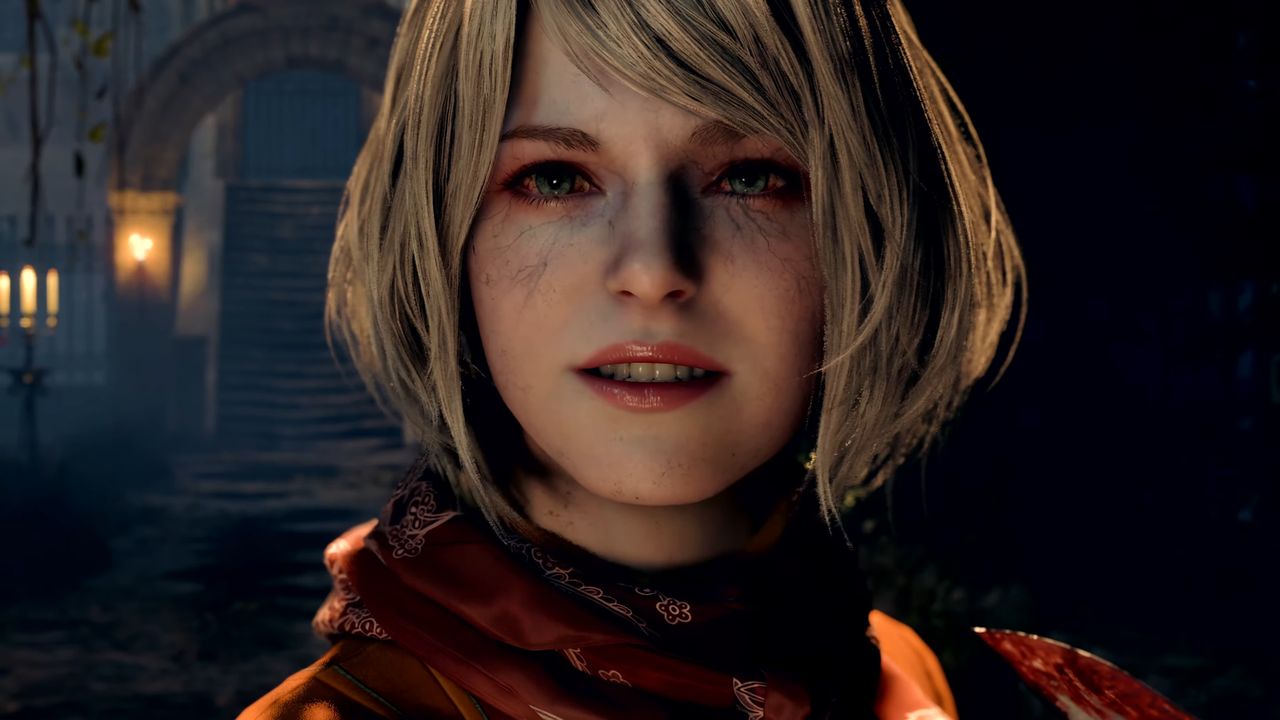
Being able to revisit older games and remake them helps Capcom meet that goal of releasing a Resident Evil title each year, but it also allows the team to continually challenge themselves and hone their craft.
Kawata was careful to frame the remakes as full-weight projects rather than filler between mainline games, describing them as just as important as the numbered entries. He also tied the cadence to Capcom's wider output, saying the cycle provides the financial resources for both new Resident Evil games and entirely new intellectual property, citing Pragmata as an example.
The remake catalogue is thinning out
The strategy has an obvious constraint, which PC Gamer raises by way of GamesRadar: there is a finite supply of Resident Evil games left to remake. After this year's Code Veronica, the remaining candidates are Resident Evil 0, 5 and 6, entries with more mixed reputations than the ones Capcom has already revisited. The GameCube remake of the original and the 2023 pass at Resident Evil 4 both worked from games that were already well regarded.
One counter-argument PC Gamer floats is that flawed games are the more interesting remake targets, since there is more room to improve on the original. Capcom has not said which title is next, and Kawata's comments describe an ambition rather than an announced schedule.
The context is a publisher that has been unusually steady through a turbulent period for the industry. Capcom's recent run dates back to Street Fighter 5 in 2016 and Resident Evil 7 in 2017, and even its more divisive releases in that stretch have sold well. Whether an annual Resident Evil is sustainable once the remake backlog runs out is the question Kawata's comments leave open.