





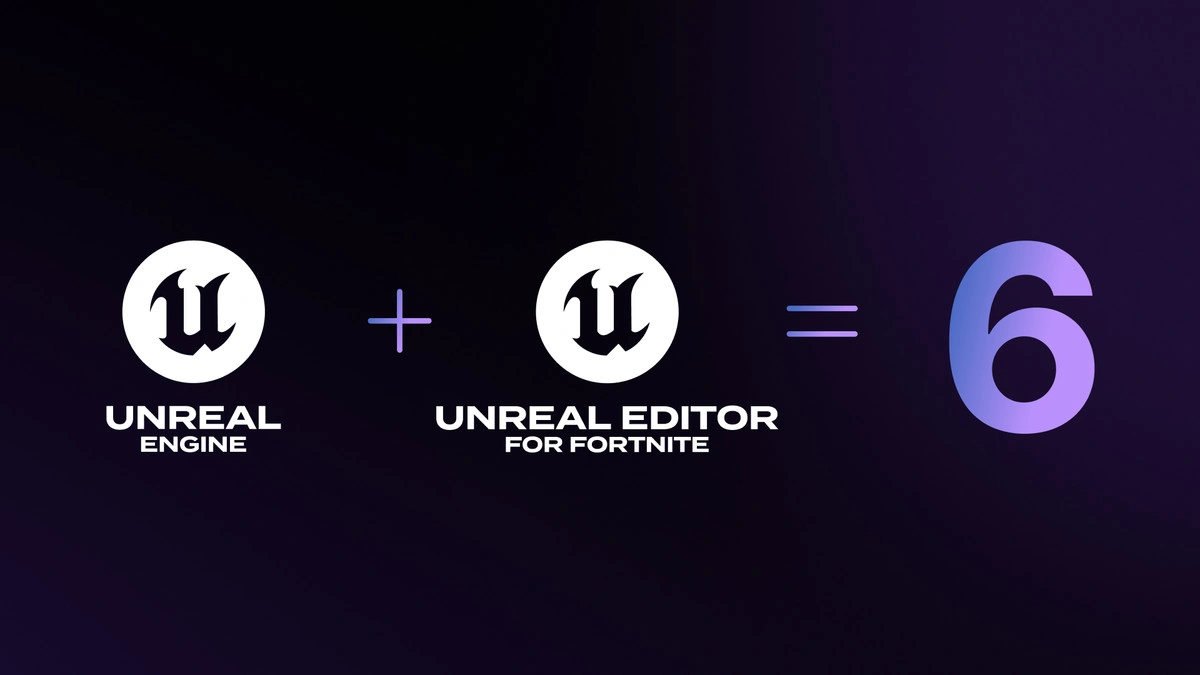
Epic Games has outlined a plan to dissolve the boundaries between games built on Unreal Engine 6, allowing developers to bring Fortnite cosmetics into their own titles and create skins that travel back into Fortnite itself. The announcement came during Epic's State of Unreal presentation, where Tim Sweeney and company executives laid out the studio's long-term vision for a developer-built metaverse — one in which Fortnite eventually occupies a smaller piece of a much larger shared ecosystem.
Cross-Game Cosmetics as the Foundation
At the center of Epic's pitch is a straightforward but technically complex proposition: Fortnite skins and cosmetics will work in any game built on Unreal Engine 6, and developers will be able to design their own cosmetics that function inside Fortnite. For players, that means a purchase made in one game could carry real utility elsewhere. For developers, it represents direct access to Fortnite's enormous player base and economy. Epic development lead Marcus Wassmer described the ambition behind the system in a blog post accompanying the announcement. "We see this as the first step toward building a shared economy for smart assets: functional assets with logic and functionality that work across games, to recognize players' time and spending in a better way," Wassmer wrote.
Fortnite as a Proof of Concept, Not the Destination
Epic has been careful to frame this not as a Fortnite expansion but as an infrastructure play. Rather than positioning Fortnite as the metaverse itself, the company wants the game to eventually serve as one node in a broader network of interconnected titles — a deliberate move away from what Epic acknowledges is currently a "walled garden." Wassmer was direct about the distinction. "In the end, this isn't really a Fortnite story," he wrote. "It's about proving that such a mature, complex system can work at scale — and that every game that works with these systems will immediately benefit from them." Unreal Engine 6 is being built with this kind of modular interconnectivity as a design goal, providing the technical backbone that would allow assets, logic, and player identity to move between games in a coherent way.
Timeline and Caveats
Epic's roadmap puts an early-access release of Unreal Engine 6 in late 2027, with the full version expected sometime in the one-to-two years that follow. The scope of what Epic is attempting — a shared economy spanning multiple independent games — is significant, and the company has left room in its language for the schedule to slip. Delays at that scale of engineering ambition would be consistent with industry norms. The system, if it ships as described, would represent a meaningful shift in how developers and publishers think about in-game purchases. Players who have spent money in Fortnite could see that investment recognized elsewhere, and studios building on UE6 could inherit a ready-made economy rather than starting from zero. Epic's State of Unreal presentation signals that the company intends to use Unreal Engine 6 as the connective tissue for a developer-built metaverse — an ecosystem assembled game by game rather than decreed from a single platform. Whether the cross-game cosmetics system can actually deliver on that promise will depend on how many studios buy into the framework and how smoothly Epic can execute an early-access launch still more than a year away.