


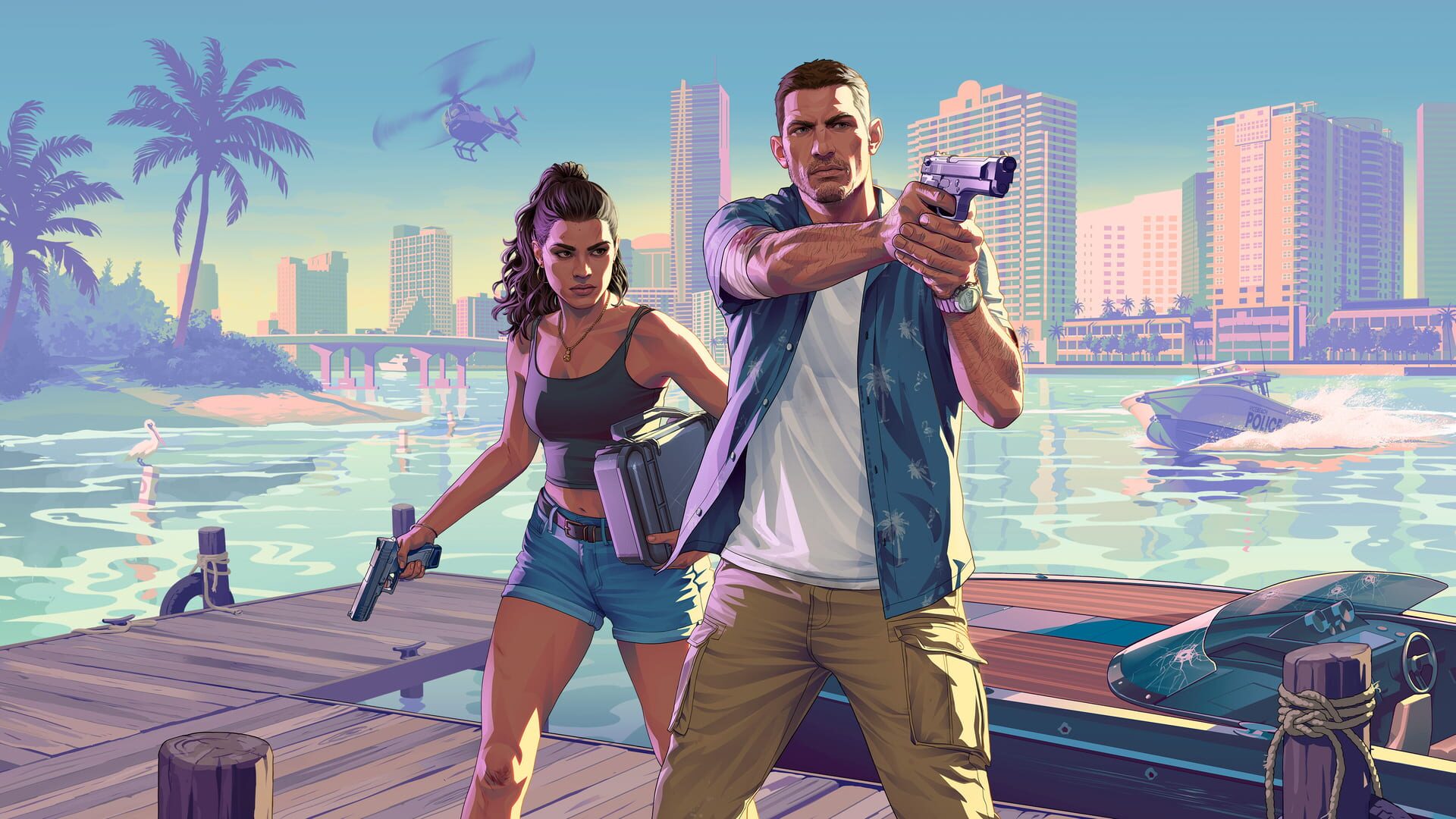
A former Rockstar Games producer has offered an explanation for why the studio builds its games for consoles before PC, a pattern that leaves Grand Theft Auto VI without a PC version at its console launch. John Ricchio, who spent roughly a decade at Rockstar before leaving in 2014, discussed the studio's porting approach in an interview with YouTube channel Kiwi Talkz, as reported by Rock Paper Shotgun.
Ricchio's argument is a technical one: it is easier to expand a game built against tight hardware limits than to cut down a version built without them. He acknowledged that developing on PC first and porting afterwards is an approach some studios prefer, but said it has fallen out of favour.
It just causes so [many] problems down at the end [of development]. So you're much better off starting with the constraints. Every once in a while, there'll be advanced features that you can take advantage of later, that you can decide to plan for or not. But yeah, it's always better to start with the constraints and then extend because shrinking is a lot harder than extending.
The business case for a port
Ricchio also addressed the original Red Dead Redemption, which went years without a PC release. He said a PC build existed internally early on, but that the decision came down to where the studio's time was better spent.
We actually got a PC build running very early, just to see how how far would it take, and most of the time it's not even that we don't care about PC. It was just like, 'is it worth spending time getting a PC port [of Red Dead Redemption going versus working on GTA 5'? It's always those conversations.
He noted that the hardware gap between consoles and PCs has narrowed, which should make ports less technically demanding than they once were. Even so, he said the decision remains a commercial one rather than purely a technical one, telling Kiwi Talkz that "there has to be enough of a business reason to do some of those ports," or the work involved has to be light enough to be trivial. He added that it is "rarely super light."
Ricchio left Rockstar in 2014, and Rock Paper Shotgun noted that his account reflects how the studio worked on Grand Theft Auto V and the original Red Dead Redemption rather than current practice. His subsequent work includes Amazon's Lumberyard engine, an unreleased version of Hytale, and Riot Games' fighting game 2XKO.