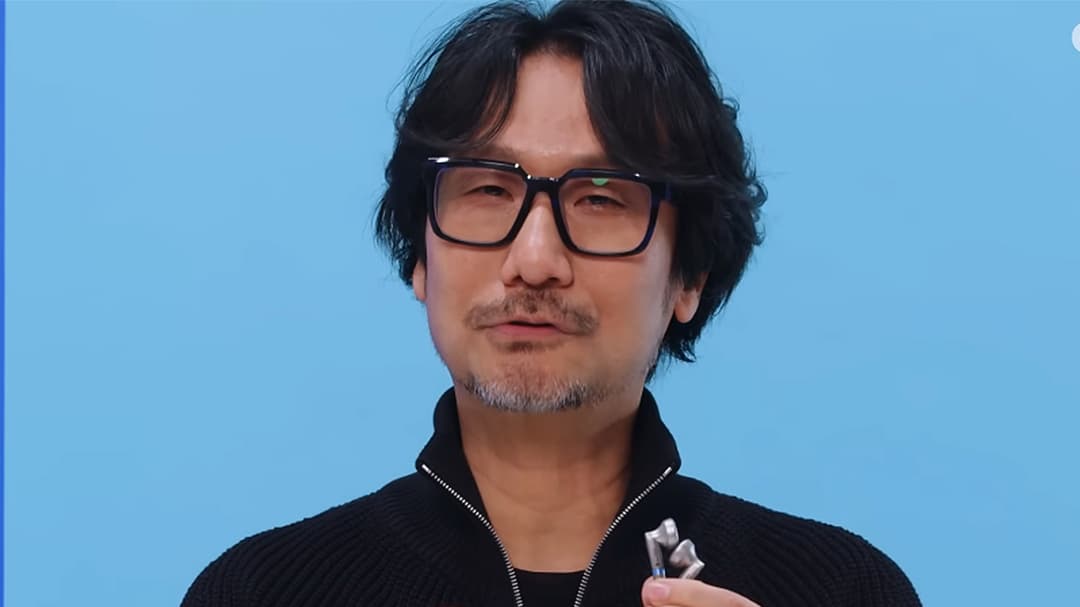



Christopher Barrett, the original game director of Bungie’s Marathon, announced on 8 July 2026 that he has settled the lawsuit he brought against Sony Interactive Entertainment and Bungie. The case, filed in December 2024 and seeking at least $200 million, ends without any court ruling on the question at its centre: whether his 2024 firing was a genuine misconduct dismissal or a way to avoid paying him tens of millions in acquisition bonuses.
The only term either side has confirmed is a credit. A joint statement issued by the three parties said Barrett’s name has been restored to Marathon’s credits as its original game director.
The litigation between Sony Interactive Entertainment, Bungie, and Christopher Barrett has been settled. For 25 years, Mr. Barrett contributed to some of Bungie’s most successful games. Mr. Barrett was the original Game Director for Marathon, and his name has been added to the game’s credits to reflect that.
Barrett announced the resolution himself on LinkedIn.
I am pleased to share that Sony, Bungie, and I have reached an agreement to resolve the lawsuit. The outcome is one I am very satisfied with, and I am grateful to everyone who stood by me.
Financial terms were not disclosed, and both sides agreed to keep them confidential. Neither Sony nor Bungie has said whether any payment was made, and neither side conceded anything on the record.
The $45 million question
Barrett joined Bungie in 1999, working on the Myth series before moving to Halo, then serving as art director on Destiny and game director on Destiny 2. After Bungie ended its partnership with Activision, the studio put him in charge of reviving Marathon — its first new intellectual property since Destiny launched in 2014.
Sony’s 2022 acquisition of Bungie for $3.6 billion set aside roughly $1.2 billion for talent retention. That money was structured as contingent payments tied to employment milestones rather than paid at closing — a standard arrangement in games M&A, and one with a standard corollary: an employee terminated “for cause” typically forfeits the unvested remainder.
According to Tech Times’ account of Sony’s own filings, Barrett received $36.8 million in 2022 and $1.88 million in 2023, and was due a further $45,579,627 through 2026 — three restricted stock unit payments and three re-vested share payments including premium bonuses, with the final instalment scheduled for July 2026.
His suit, filed in the Delaware Court of Chancery, alleged that the “for cause” finding was reached not because misconduct had occurred but to void those payments, characterising the termination as a “premeditated scheme” and “textbook scapegoating”. Sony and Bungie denied the allegations.
Sony’s account, and no verdict on either
Barrett left Bungie in March 2024 with no public explanation. Bloomberg reported that August that he had been fired following allegations from female staff; at least eight women came forward during an internal investigation completed before the termination.
Sony answered in February 2025 with a 128-page filing alleging a pattern of behaviour directed at junior female employees — comments on their appearance, invocations of his seniority and wealth in ways that implied influence over their careers, and late-night messages that blurred professional lines. Five people were identified in the filing as “VICTIM 1” through “VICTIM 5”. Sony moved to dismiss six of the seven counts, leaving only the contract dispute formally contested.
Barrett’s lawyers called the filing selective, telling Game File at the time that Sony had withheld context.
It is telling that Sony does not include the full text messages as exhibits, or the full content of these conversations. Nothing in Sony’s response provides a legitimate legal or factual basis to terminate Christopher for cause.
No court ever tested either account. In December 2025 the Court of Chancery dismissed the case on jurisdictional grounds — the dispute was about money damages rather than equitable relief, and so belonged elsewhere. Barrett refiled in Delaware Superior Court in January 2026, requesting a 12-person jury trial. The parties settled before reaching one.
A settlement into a shrinking studio
The resolution arrived in the same week that roughly 292 Bungie employees hit the effective date of layoffs noticed on 25 June under Washington State’s WARN Act — the third round of cuts since the acquisition. They removed most of the Destiny 2 development team and a significant share of Marathon’s senior staff, including the game’s general manager and, per the WARN filing, co-founder Jason Jones. Studio head Justin Truman stepped down less than a year after succeeding Pete Parsons, with Bungie veteran Poria Torken taking over.
Sony recorded roughly $766 million in impairment against Bungie’s assets in its fiscal 2025 results, disclosed on 8 May 2026 — about $201 million in the second quarter tied to Destiny 2’s decline, and $565 million in the fourth, booked in the weeks after Marathon launched on 5 March. That is more than a fifth of the $3.6 billion purchase price written off in a single fiscal year.
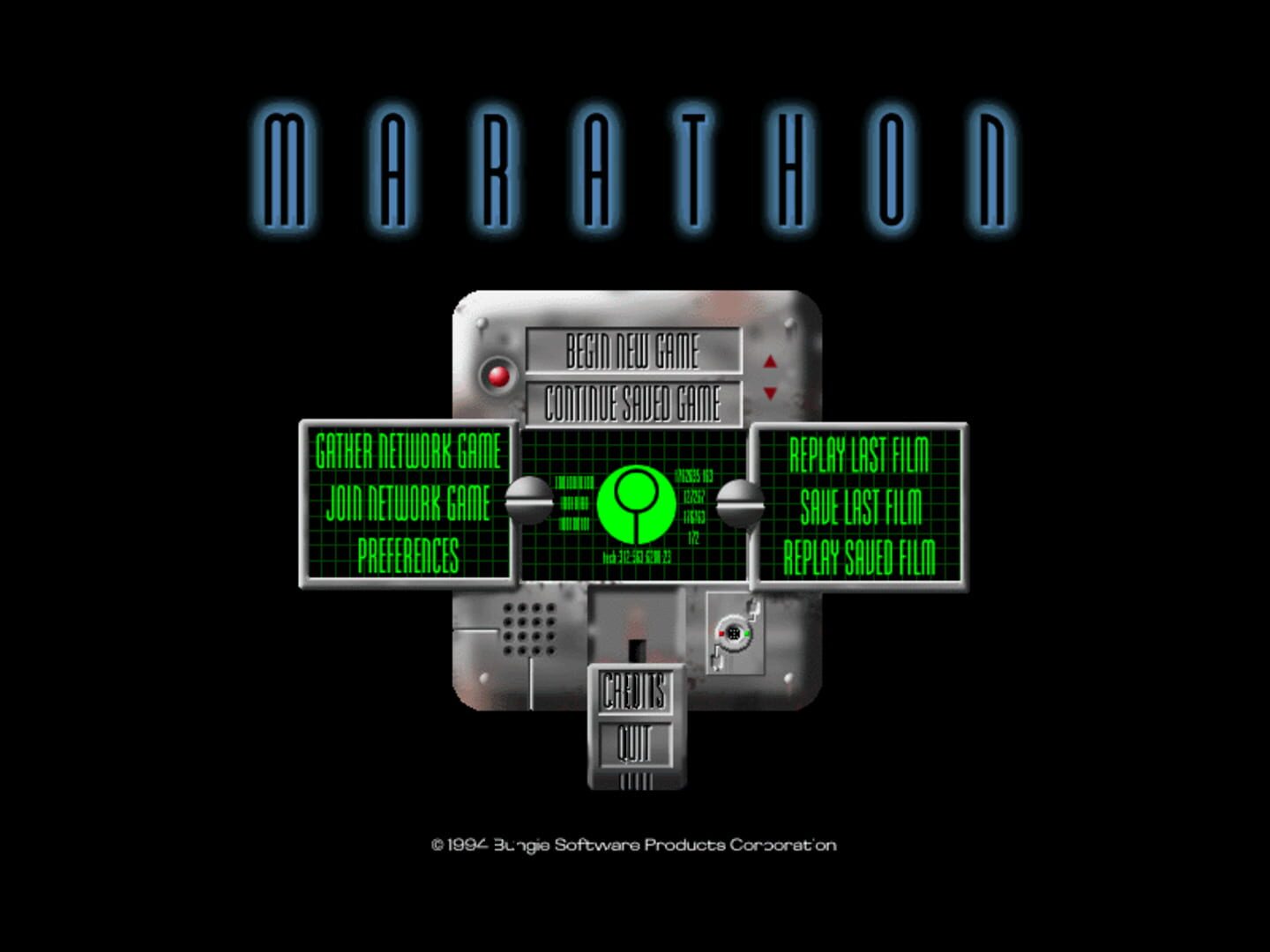
Marathon itself reviewed reasonably well — a Metacritic average around 82 — and sold an estimated 1.2 million copies in its first month. Retention was the harder number. Its all-time concurrent peak on Steam of 88,337 fell to fewer than 6,000 daily players before Season 2. Destiny 2’s final content update on 9 June drew 167,667 concurrent Steam players in one day, roughly double Marathon’s best figure, for a game that had formally ended its run. PlayStation Studios head Hermen Hulst has said Marathon remains an important part of Sony’s portfolio, with support committed through Season 3 in September 2026.
What the credit does not settle
The Marathon that shipped bears little resemblance to what Barrett described after leaving. His pitch drew on the MMORPG Dark Age of Camelot: a persistent world with co-op player stories, faction-versus-faction conflict embedded in PvE zones, and servers players could drop into or leave at will. What launched is a conventional extraction shooter built around timed matches, classes and seasonal updates. Joe Ziegler remains game director, and the settlement does not change that.
Barrett’s restored credit reads “Original Game Director” — accurate to his role in the project’s conception, and clear that the vision did not survive intact to launch.
A confidential settlement is not a finding. No court assessed whether Barrett’s conduct warranted dismissal, or whether the investigation that produced the “for cause” determination — overseen by the party that stood to save more than $45 million by reaching it — was run to a predetermined conclusion. The women whose allegations triggered that investigation were never parties to the lawsuit and are not parties to the settlement; none has commented publicly since it was announced.
Barrett has said only that closing the case lets him “focus my attention on what’s next in my gaming journey”. He has not said what that is.