





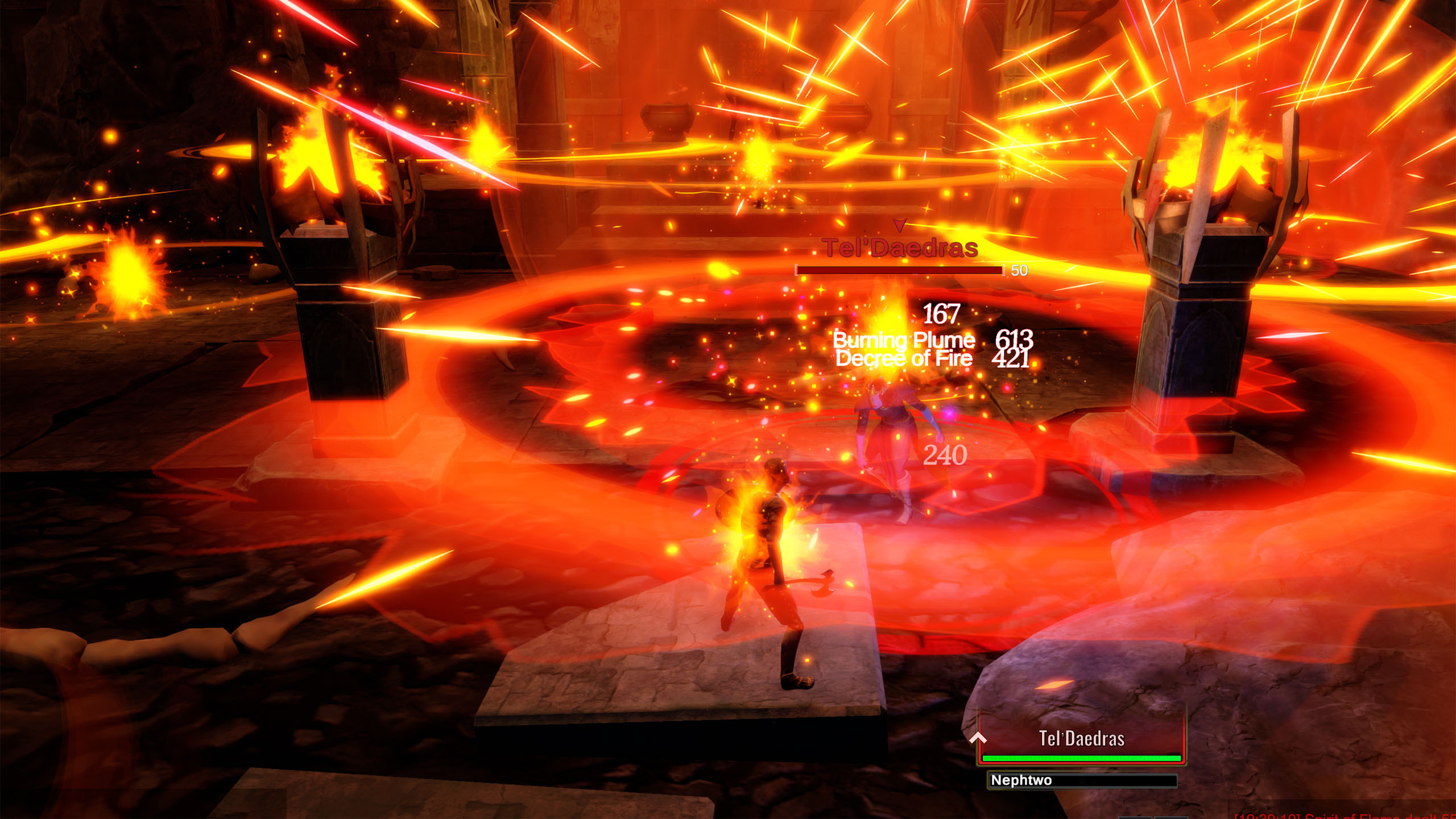
Visionary Realms used an October 31 dev diary to explain how it designs boss encounters in Pantheon: Rise of the Fallen. The team said boss NPCs have become a larger focus over the past few months, and that the goal is for each one to test players in a different way and feel distinct from the others. The post lays out five stages the designers work through.
Story first, then theme and signature moves
The process starts by treating the fight as a story with a beginning, middle and end. The studio sketches a rough narrative beat sheet before anything else, giving an example arc in which the boss opens with a monologue, fights, calls for help after underestimating the group, escalates to its heavier attacks, summons reinforcements again, and finally plays a last-ditch trump card. The team said that outline establishes the flow of the encounter and makes every later step easier. Designers also decide at this point how the fight should pressure players, whether that means an endurance test, damage concentrated on the tank or spread across the group, tactical repositioning of the boss, or environmental hazards.
Theming comes next. The team works out who the boss actually is, using examples such as a powerful necromancer or a brutish warlord, then decides whether it fights as a spellcaster, a melee combatant or both, whether it brings minions, what its attacks look like, and whether the arena itself matters through details like floor spikes or a door that locks behind the players.
The third stage is signature moves. The studio said it brainstorms a small number of standout attacks at this point specifically because some may require custom animations, and acknowledged it usually generates more ideas than it can implement. Some are ruled out by technical limits, and others are dropped because they do not fit the story the fight is telling.
Scripting and tuning
Assembly is the longest phase, according to the post. Beyond creating each ability and any animations or visual effects it needs, designers set targeting conditions and cooldowns, deciding whether an ability hits the highest-threat player, the healer or a random group member, how often it fires, and whether the boss uses it immediately or holds it back. The studio said large encounters can involve dozens of script entries.
The team also stressed the importance of smaller filler abilities. Without them, it said, a boss would stand idle between its big moves and the fight would feel strange, so most bosses get several minor abilities to keep the pacing dynamic. Reaching a set of abilities that works together usually takes several iterations, and the studio said that stage alone can run a few weeks depending on the fight. Loot for the boss is typically finalized during the same period, once its intended rarity and difficulty are clear.
The final stage is testing and tuning. The studio said it pulls in coworkers and focus testers, has them group up on the internal test server, and turns the new boss loose to see what happens.