




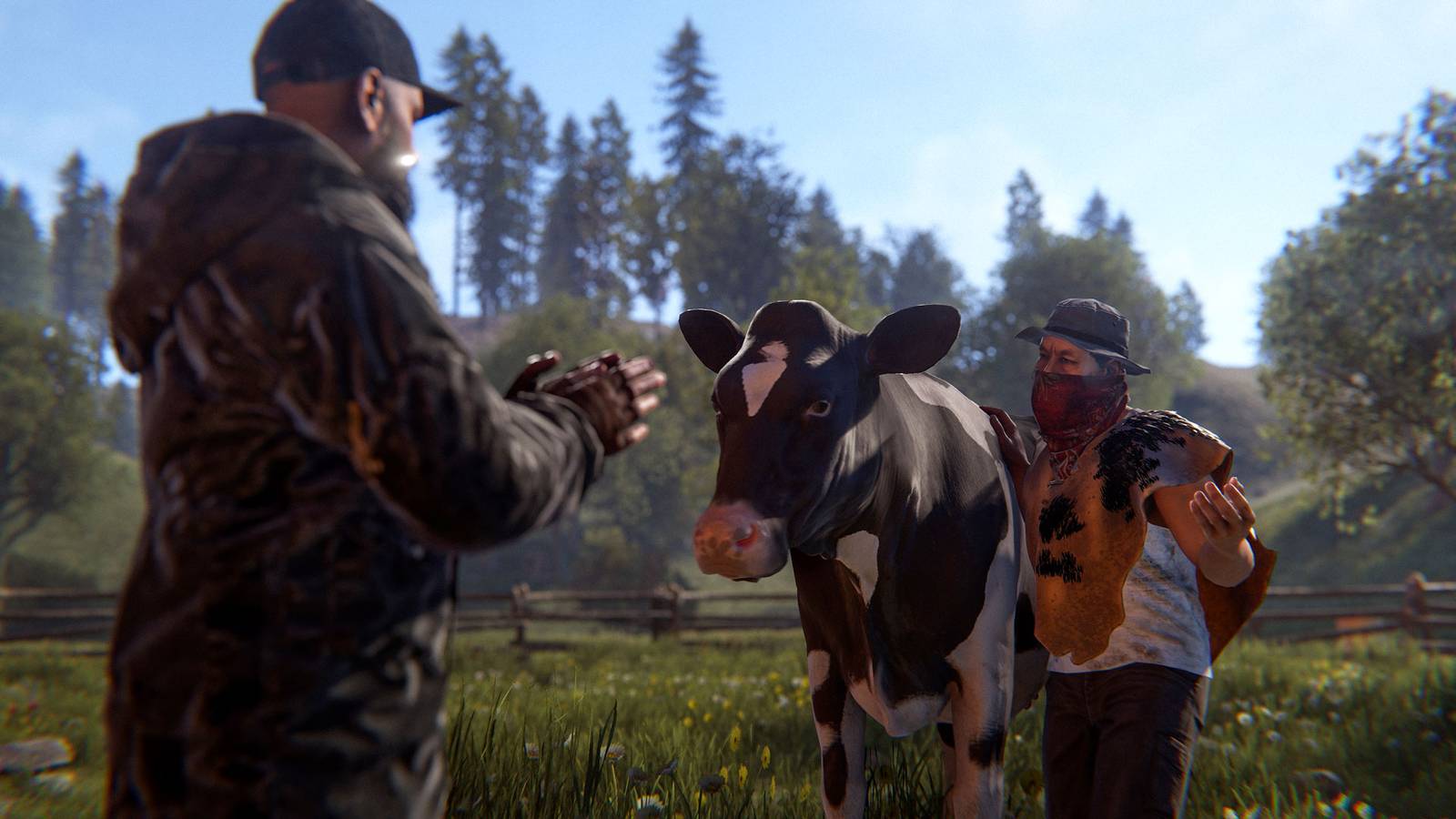
Rust's livestock update is now live, Polygon reported, adding sheep and cows as farmable animals alongside new fence and gate blueprints that let players enclose them.
Players can butcher the animals for meat, bones, leather and animal fat, as they can any wild animal in the game, or keep them alive to produce dung, milk and wool. Dung was already a resource in Rust, where it is used to make fertilizer to help plants grow and can also be traded in for scrap. Milk can be consumed directly or turned into cream or skimmed milk, which increase the duration and potency of pie and tea recipes.
Breeding and trade
Breeding is a central part of the update. Each animal carries its own set of genes, in the same way plants in Rust do, and an offspring's genes depend on those of its parents. Animals with better genes produce goods more efficiently and are worth more to vendors. For animals to reproduce, Polygon reported, players have to keep them safe and attend to their needs.
Wool and the animals themselves can be sold to vendors at Stables. Vendors make a random offer when a player attempts to trade wool or livestock, and a player can reject an offer up to three times; after that the vendor is unavailable for another 15 minutes.
Biofuel and decorative wildlife
A new biofuel generator converts bio-matter into low-grade fuel, including the meat of culled animals, whether spoiled or raw. The amount of fuel produced scales with the calorific value of the material put into the generator.
The update also adds decorative wildlife that varies by biome, with frogs, turtles, jellyfish, crabs and squirrels appearing depending on where a player is. Alongside the gameplay additions and environmental changes, a cosmetic DLC released with the update: the Plague Doctor skin for the Hazmat Suit, available on Steam for $9.99.