



A senior artist on The Sims has said she would resist any instruction to scale back the game’s support for diverse characters, and that no such instruction has reached the team, as EA moves toward a Saudi-backed buyout.
Speaking at Develop and reported by Rock Paper Shotgun, senior character artist Jess Hyland was asked whether the acquisition could lead to a mandate to reduce diversity in The Sims, or to restrict the team’s ability to keep adding support for LGBTQIA+ players.
I don’t feel like I’ve ever had a mandate from on high about what we’re making, in terms of "that’s too diverse", and I don’t think we will. I mean, fingers crossed, but I haven’t heard anything coming down the pipe. I don’t think it’s gonna happen and I would fight it tooth and nail.
Hyland declined to discuss the acquisition itself, pointing questioners to EA’s own website and saying she did not know its current status.
The buyout behind the question
EA announced last September that it had accepted a $56 billion offer from an investor consortium made up of Saudi Arabia’s Public Investment Fund, the equity firm Silver Lake and Jared Kushner’s Affinity Partners, covering all of the company. Around $20 billion of that figure is debt loaded onto EA and its studios, and unionized workers have warned that servicing it could lead to layoffs. EA cut an unknown number of jobs across recruitment, IT, customer support and its trust and safety division last month. Reports in November indicated that the Public Investment Fund was under financial strain, while the Committee on Foreign Investment in the United States is expected to clear the deal in the coming months.
A second concern has been whether new ownership would push for cultural change. Former Dragon Age executive producer Mark Darrah argued in a video last year that studios without a long track record would be the easiest to steer, and that owners would "put your thumb on the scale and push their messaging in directions that you want." Studios with an established identity, he said, would be harder to redirect without an "apocalyptically bad" reception.
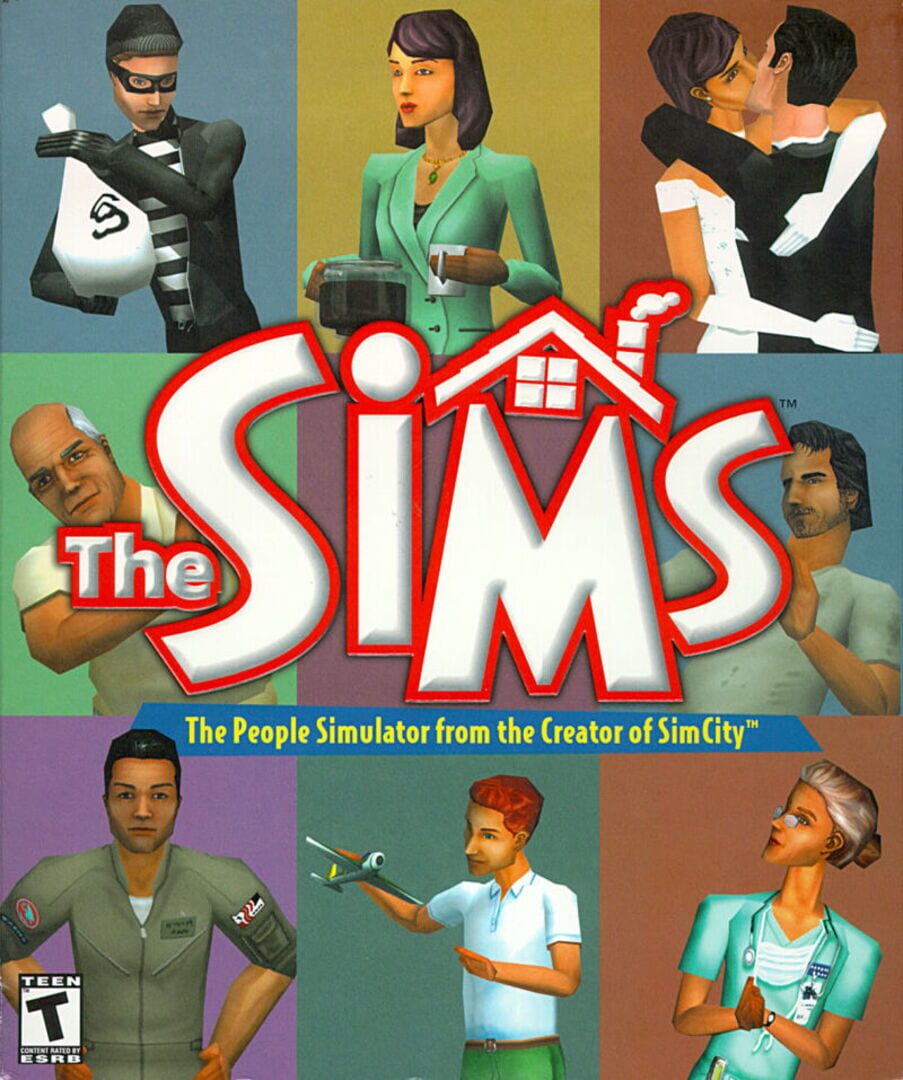
The Sims has carried that identity since 2000, letting players build characters across genders, sexualities, ethnicities and disabilities. Several prominent Sims creators left the EA Creator Network after the buyout was announced, prompting a statement from the publisher that "The Sims will always be a space where you can express your authentic self." In her talk, Hyland traced twelve years of expansion in the character creator, including the removal of the launch-era rule that tied clothing options to a sim’s presenting gender.