




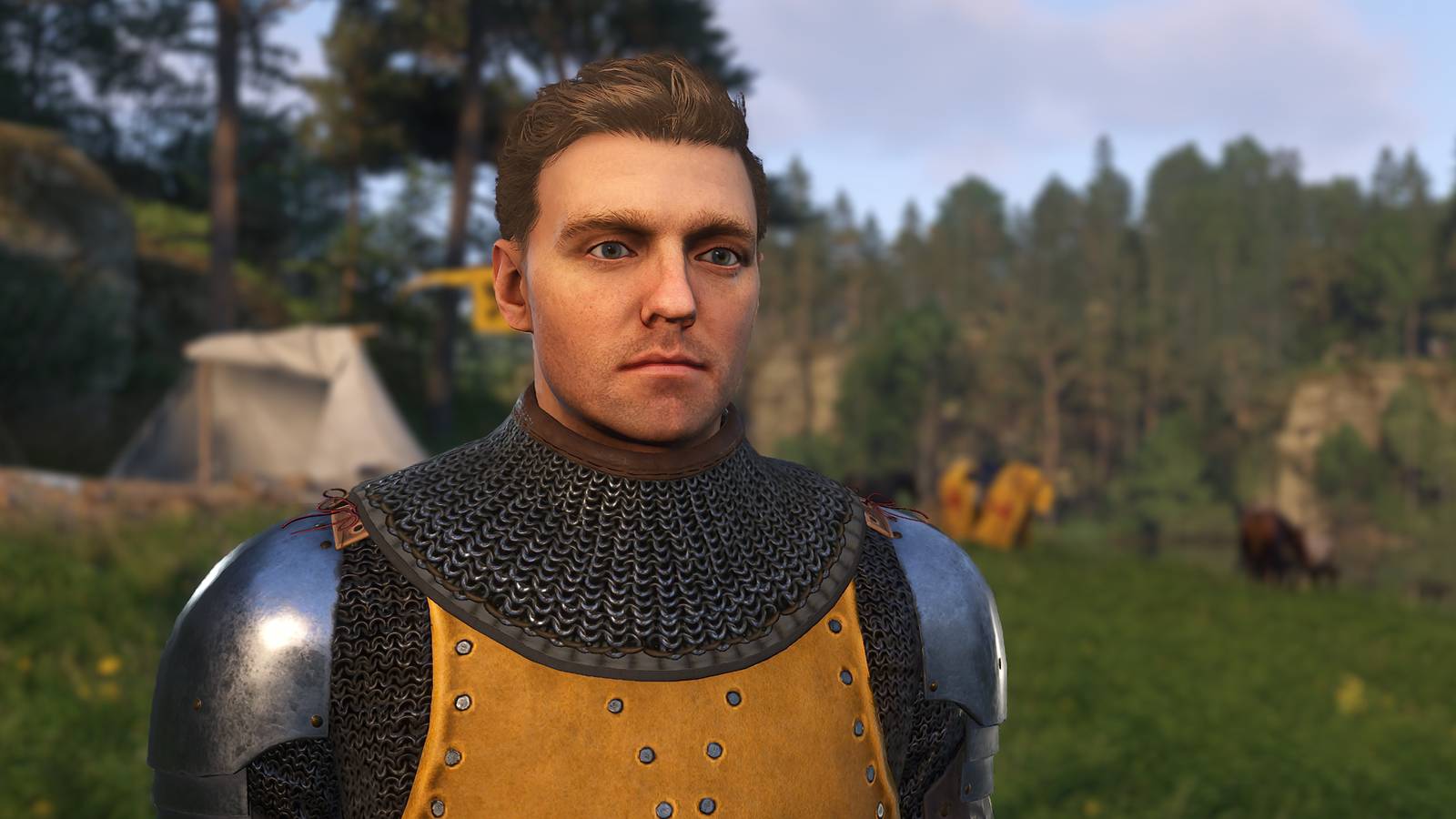
Daniel Vavra, the former creative director at Warhorse Studios, has publicly defended Nvidia's DLSS 5 after a leak of the technology put it back in front of players, saying it delivers what he called an excellent photorealistic upgrade to the character lighting model in Kingdom Come: Deliverance 2, Polygon reported.
Nvidia's AI-driven real-time neural rendering model was revealed in March 2026 and was criticised for an uncanny valley filter effect that appeared to change characters' faces. With a version of DLSS 5 now leaked, videos, screenshots and fresh assessments of the technology have circulated widely.
In a series of posts on X, Vavra argued that what leaked is not what Nvidia originally presented.
It doesn't alter the geometry of the models or the appearance of the characters in any way.
Instead, he said, the model takes existing normal maps and produces better skin texture and facial detail than the game's own lighting model provides. He identified ambient occlusion — the shading and rendering technique that calculates where shadow falls, and how much of it, based on an object's surroundings — as the key difference, pointing to improved shadowing on objects such as helmets and buckles.
Screenshots against video
Vavra said he is not currently working for any company or on any game. His posts drew both agreement and pushback. Some of those responding were impressed by his comparisons; others noted that he used screenshots as evidence, while several of the more critical testers have posted video instead.
Because the filter appears to work from what is present in the frame alone, some commenters argued that lighting inferred from an unknown source amounts to guesswork, producing detail that does not match realistic shadowing. Others raised a workflow objection: that developers cannot control the AI enhancement, and that handing rendering to DLSS 5 could give studios cover to ship less finished work.
In follow-up posts, Vavra said the technology brings Kingdom Come: Deliverance 2 closer to the artists' original vision, and defended the broader use of AI in development, saying every developer he had spoken with over the past year uses it and that he would have taken any tool that shortened the seven years he spent on a single game.
He also urged people not to believe videos circulating online that still show the uncanny valley effect. Polygon noted there is no evidence those videos are fake, and that testers' settings may account for how realistic the results look. DLSS 5 has not been released.